Treat TEACH Transform
Training Programs
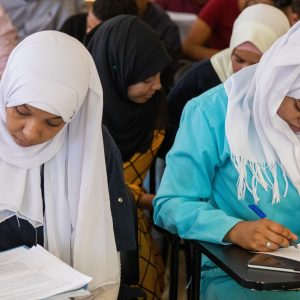
Based on the needs and capacities of local medical communities, we provide basic and/or advanced training to nurses, doctors, and medical students in the care of cleft patients. Through this sustainable model we hope to empower local medical professionals to provide effective treatment after our team has departed.
The Education Committee
The Alliance for Smiles Education Committee was formed in 2025 to address our increased focus on providing training for local medical providers.
Mission Statement:
The Alliance for Smiles Education Committee utilizes the organization’s guiding principle to collaborate with and empower local medical teams and communities. The Committee assesses and addresses the needs of local medical teams, as well as the families and communities that they serve. The resulting targeted training will build on local expertise and resources to support eventual transition to providing comprehensive quality care for cleft patients as independently as possible. The committee recognizes that all progress toward independence is valuable.
- Methods must be tailored to the unique needs, circumstances, resources, and culture of each site and country.
- The ultimate goal is to help create wholly self-sufficient teams and/or treatment centers.
- All progress toward that goal is valuable, meaningful and impactful.
- As with all Alliance for Smiles projects, our guiding principle is to collaborate with and empower local medical teams and communities.
Virtual Education Initiative
In 2020, Alliance for Smiles launched its Virtual Education Initiative (VEI) when it was clear that it would not be possible to resume standard missions during the developing COVID-19 pandemic.
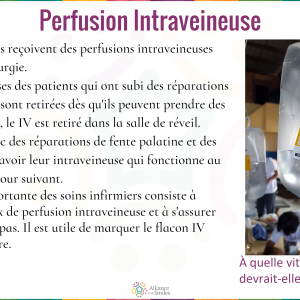
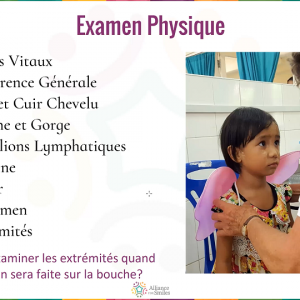
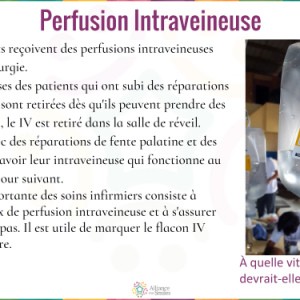
We immediately reached out to our international partners to gauge their interest in and need for virtual education, and the majority responded positively. We recruited AfS expert leads in relevant disciplines and conducted needs assessments among the hospitals where we perform surgeries to determine what would benefit them most. Training in nursing care was a subject in high demand and one that would work well within this format. Our partner hospitals in Bangladesh, Guatemala, and Honduras were immediately interested so, we began the process of translating presentations into the appropriate languages and recruiting teachers who were fluent in the native languages.
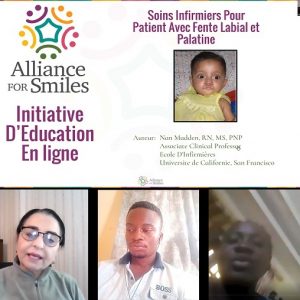
In September 2020, we presented our first VEI nursing class to our partners at Shaheed Monsur Ali Medical College in Dhaka, Bangladesh. Since that time, we have expanded our resources and trainings, and we have conducted seminars in Guatemala, Honduras, the Congo, and Benin.
As we continue to develop the VEI, we have discovered an unexpected bonus: we see great potential in continuing this program in conjunction with in-person missions. It will not only help to build a strong foundation of knowledge before the in-person medical mission begins, but also will help establish deeper trust and connection between the local and visiting teams. This familiarity will lead to more efficient and effective missions once we are in the field again.